


The terms “scale and polish” and “teeth cleaning” are often used interchangeably, both in dental practices and in everyday conversation. However, they are not always referring to the same thing. Understanding the distinction can help you know exactly what to expect from a hygiene appointment and why professional cleaning goes far beyond what you can achieve with a toothbrush at home. If your dentist has recommended a scale and polish, you are receiving a specific clinical procedure — not simply a more thorough version of brushing.
This article breaks down what each term means, how the procedures differ, and when each type of cleaning is appropriate for your situation.
What Is Everyday Teeth Cleaning?
 Everyday teeth cleaning refers to the oral hygiene routine you carry out at home. This includes brushing your teeth for at least two minutes twice a day with a fluoride toothpaste, cleaning between the teeth with floss or interdental brushes, and using mouthwash if recommended. The purpose of your home routine is to remove the soft, sticky film of plaque that forms on your teeth throughout the day before it has a chance to harden.
When carried out consistently and correctly, home cleaning is highly effective at controlling plaque in the areas you can reach. The problem is that many areas of the mouth are genuinely difficult to clean at home — the back surfaces of wisdom teeth, the spaces between tightly packed teeth, and the area just below the gum line where the tooth meets the soft tissue. In these zones, plaque can accumulate, harden into tartar, and begin to cause gum disease without you being aware of it.
What Is a Scale and Polish?
A scale and polish is a professional procedure carried out by a dentist or dental hygienist using specialist instruments. It involves two distinct stages:
- Scaling — the removal of hardened tartar (calculus) from the surfaces of the teeth, including areas below the gum line. Tartar cannot be removed by brushing and requires either an ultrasonic scaler or fine metal hand instruments to physically break it down and remove it.
- Polishing — once tartar has been removed, the tooth surfaces are buffed with a rotating cup or brush and a mildly abrasive paste. This removes surface staining and smooths the enamel, which slows future plaque adhesion and leaves the teeth feeling clean and bright.
According to the NHS Inform teeth cleaning guide, while excellent home hygiene is essential, professional cleaning is necessary to address hardened deposits that a toothbrush simply cannot reach or remove. The two approaches are complementary — home cleaning slows the build-up of tartar, while professional scaling removes it once it has formed.
Can You Just Clean Your Teeth More Thoroughly at Home?
This is a question many patients ask, particularly those who are already brushing diligently. The short answer is no — once plaque has mineralised into tartar, no amount of brushing will remove it. Tartar bonds chemically to the tooth surface and can only be dislodged with professional instruments. In fact, vigorous or over-enthusiastic brushing can actually damage tooth enamel and cause gum recession without touching the tartar at all.
Improving your home routine is always worthwhile because it slows the rate at which new tartar forms, but it cannot substitute for a professional scale and polish once deposits have already developed. Think of it in the same way that regular hoovering keeps a carpet clean day to day, but a deep professional clean is occasionally needed to address what a hoover cannot reach.
What About a Hygienist Clean vs a Scale and Polish?
 In the UK, both dentists and dental hygienists can perform a scale and polish. The term “hygienist clean” is often used in practice to describe the same procedure when it is carried out by a hygienist rather than a dentist. In some practices, a hygienist appointment may also include a more in-depth discussion of your home cleaning technique and personalised advice on interdental care — sometimes referred to as oral hygiene instruction.
For patients with more advanced gum disease, a more intensive form of scaling called root surface debridement (or deep cleaning) may be recommended. This targets tartar deposits further below the gum line, in the pockets that form when gum disease causes the gum tissue to pull away from the tooth. Root surface debridement goes deeper than a standard scale and polish and may be carried out under local anaesthetic for comfort.
Comparing Home Cleaning and Professional Cleaning
| Feature | Home Teeth Cleaning | Professional Scale and Polish |
|---|---|---|
| Removes soft plaque | Yes | Yes |
| Removes hardened tartar | No | Yes |
| Cleans below the gum line | Partially | Yes (including sub-gingival areas) |
| Removes surface staining | Partially (with whitening paste) | Yes (via polishing) |
| Frequency | Twice daily | Every 3 to 24 months (clinician-determined) |
| Equipment required | Toothbrush, floss, mouthwash | Ultrasonic scaler, hand instruments, polishing paste |
| Gum disease prevention | Essential, but limited | Highly effective |
Which One Do You Actually Need?
The answer is both. Home cleaning and professional scaling are not competing alternatives — they work together as part of a complete oral health strategy. Consistent home cleaning reduces the rate at which tartar builds up and protects against cavities. Professional cleaning removes the deposits that do form, keeps the gum tissue healthy, and provides an opportunity for your dental team to spot any early signs of problems before they progress.
The frequency of professional cleaning you need will depend on how quickly tartar forms for you personally, your gum health history, and any lifestyle factors such as smoking. Some patients with excellent home hygiene and naturally low tartar build-up can go 12 to 24 months between professional cleans. Others — particularly those managing gum disease or with rapid calculus formation — may need an appointment every three to six months.
Why Professional Cleaning Matters Beyond Aesthetics
It is easy to think of a scale and polish as primarily a cosmetic procedure — something that makes your teeth look cleaner and brighter. While the aesthetic benefits are real and appreciated by patients, the more important function is clinical. Removing tartar reduces bacterial load in the mouth, prevents the progression of gum disease, and helps preserve the bone and tissue that support your teeth over the long term. Keeping your gums healthy has also been linked to wider health benefits, with research continuing to explore the connections between gum disease and conditions such as heart disease and diabetes.
Which Type of Cleaning Is Right for You?
Understanding which level of professional cleaning applies to your situation is not always straightforward, and the answer depends on what your dentist or hygienist finds during a clinical assessment. For patients who attend regularly and maintain a solid home care routine, a standard scale and polish is typically all that is needed. These appointments are brief, comfortable, and focused on removing the moderate tartar build-up that accumulates between visits and keeping the gums in good health. This is the level of care most people in routine maintenance fall into.
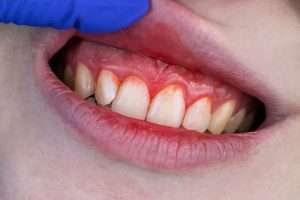 For patients who notice their gums bleeding frequently, have visible brown deposits along the gum line, or have not attended for a year or more, a more thorough scale and polish may be required to address heavier calculus build-up. In these cases, the appointment may take longer, and the clinician will pay particular attention to areas where deposits have accumulated below the gum line. This is still a standard scale and polish — just a more intensive one.
Root surface debridement — often called a deep clean — is a distinct clinical procedure reserved for patients with confirmed periodontitis, where gum pockets have deepened beyond around 4 millimetres. It involves working significantly below the gum line under local anaesthetic and is typically carried out over multiple visits by quadrant. If you are unsure which level of care you need, the simplest answer is to attend for an assessment. Your clinician will measure your gum pockets, review your oral health history, and recommend the most appropriate treatment. There is no guesswork required — the clinical evidence makes the decision straightforward.
At StormDental, we believe that clear communication about what each treatment involves helps our patients make informed decisions about their care. Our team is always happy to explain exactly what we are doing and why, and to advise on the best combination of home and professional care for your specific situation. To book a hygiene appointment or to ask any questions, please call us on 01294 218 733.


